 CUISINE
 HISTORY
 JOURNALS
 PEOPLE
 CONSERVATION
Kerala to be named Keralam
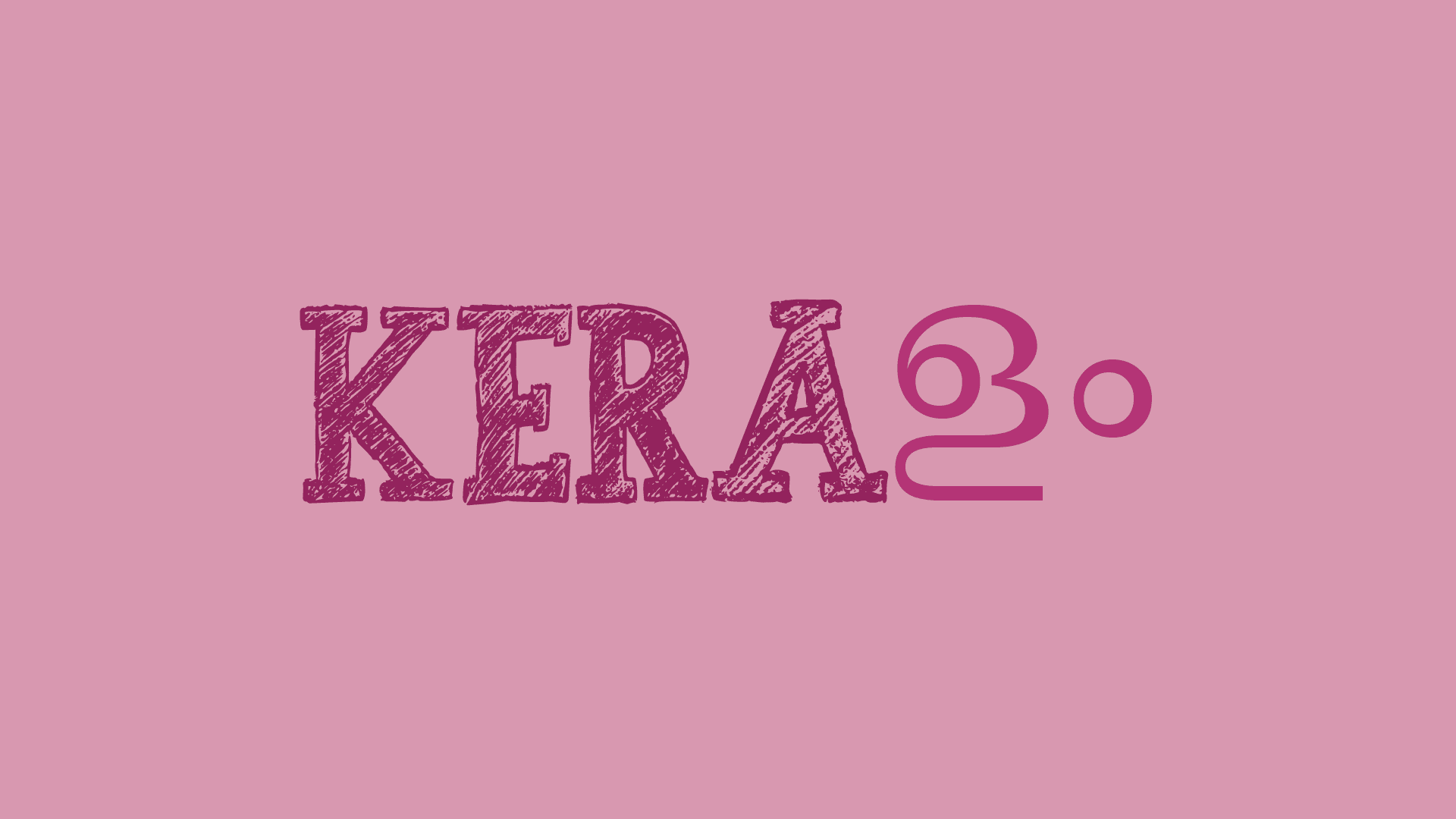
There is something deeply emotional about names. Recently, the proposal to officially use Kerala as Keralam in English documents reopened a quiet question. What are we really correcting when we change a spelling? And what are we leaving behind? In Malayalam, the land has always been കേരളം. The ending is not decorative. It carries linguistic rhythm, history, texture. “Kerala” is an anglicised simplification that arrived through colonial documentation and administrative ease. “Keralam” feels closer to how the land hears itself. But renaming is not as simple as sentiment. Constitutional amendments, updates to central records, international listings, passports, railway codes, postal systems, digital databases, all must align. The name of a state is not just cultural identity. It is legal architecture. And then comes the deeper layer. If Kerala becomes Keralam in English, what about Kozhikode and its older colonial name Calicut? Calicut is not just a British mispronunciation. It entered global vocabulary through trade. Medieval Arab sailors, Portuguese explorers, Dutch merchants, Chinese traders, they all wrote of Calicut. The name travelled. It became shorthand for the Malabar Coast. The English word “calico” is derived from Calicut, referencing the cotton textiles exported from this port. In old Chinese maps where India appeared smaller, but Calicut was marked prominently. That is not accidental. In maritime cartography, ports mattered more than landmass. Power was coastal. Trade was visibility. Calicut was not a city on the map. It was the map. Under the Zamorin, Calicut stood as one of the most important spice trade hubs in the Indian Ocean world. Vasco da Gama did not “discover” India. He arrived at a port that was already globally connected. So when we renamed Calicut to Kozhikode, we reclaimed pronunciation. We restored local phonetics. But we also softened a name that once carried global weight. This is the paradox of renaming. On one hand, restoring indigenous names corrects colonial distortions. Bombay becomes Mumbai. Madras becomes Chennai. Calicut becomes Kozhikode. Aurangabad to Chhatrapati Sambhaji Nagar, Osmanabad to Dharashiv and Kerala becomes Keralam. It feels like linguistic decolonisation. On the other hand, some colonial names absorbed centuries of layered meaning. Calicut is embedded in trade history. In textile vocabulary. In global maritime archives. The question is not whether Keralam is correct. It is. Linguistically and culturally. The question is whether symbolic correction alone creates deeper change. Will Keralam mean stronger language preservation? Will Kozhikode mean stronger urban identity? Will restored spellings influence how we design cities, conserve heritage, protect archives? Or will it remain administrative? Names carry memory. But memory requires maintenance. Calicut tells a story of global trade and oceanic power. Kozhikode tells a story of local continuity. Keralam tells a story of linguistic authenticity. Kerala tells a story of international familiarity. Perhaps the real question is not which name is right. It is whether we are honouring what those names once represented. If Calicut once stood large on world maps, not because of land size but because of influence, are we building cities today that deserve such prominence again? If we insist on Keralam, are we also protecting Malayalam with the same seriousness? A name change makes sense only if it is accompanied by substance. Otherwise, it becomes typography. And history deserves more than spelling. Kerala or Keralam, the feeling is the same.