
EXPERIENCES
Plantation Walk
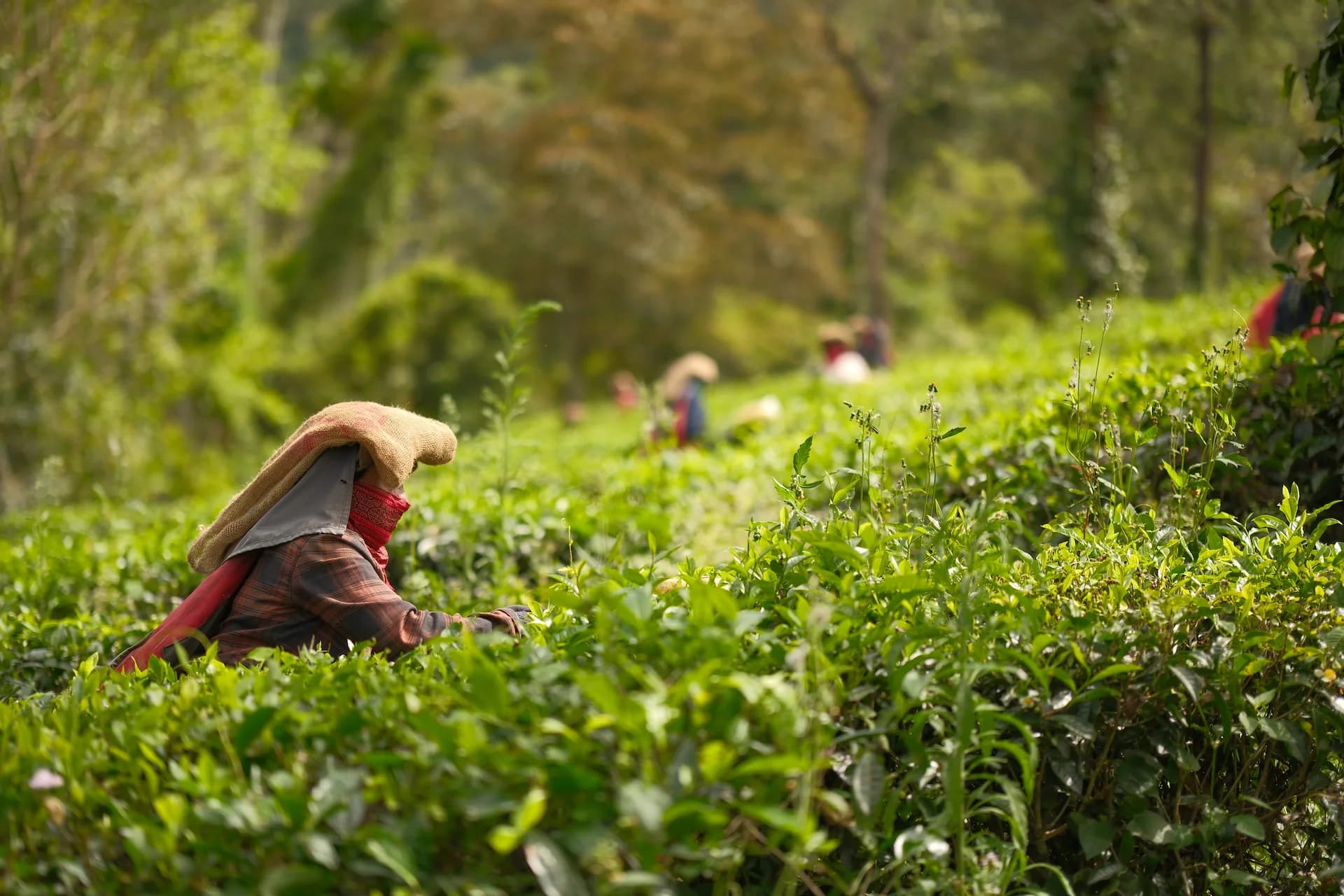
In the soft hush of dawn, mist clings to rolling tea-covered hills like a pale promise of the day ahead. Footpaths weave between emerald bushes and tall pepper vines that spiral skywards, their leaves glistening with dew, while avocado trees stand sentinel at the edges of the estate. Above you, the canopy flickers with movement, the joyous calls of bulbuls and barbets, flashes of migrating birds tracing invisible routes through the sky, and the occasional rustle as the magnificent Malabar giant squirrel and its smaller companions leap between branches. Sunlight slowly burns away the fog, revealing distant views of workers tending the tea shoots, their silhouettes a quiet rhythm against the undulating green.

Pottery Workshop
There is something deeply satisfying about creating with your hands. In this immersive pottery workshop, you'll discover the timeless craft of transforming raw clay into something meaningful. Guided by skilled local artisans, you'll learn the basics of wheel throwing, shaping, and moulding, while experiencing the quiet rhythm that has defined this craft for generations. Pottery is not about perfection, it is about presence. As the wheel turns beneath your hands, the outside world fades away, leaving only clay, water, and the joy of creating. Every curve, every texture, and every fingerprint becomes part of a piece that is uniquely yours.
Visit Local Temples
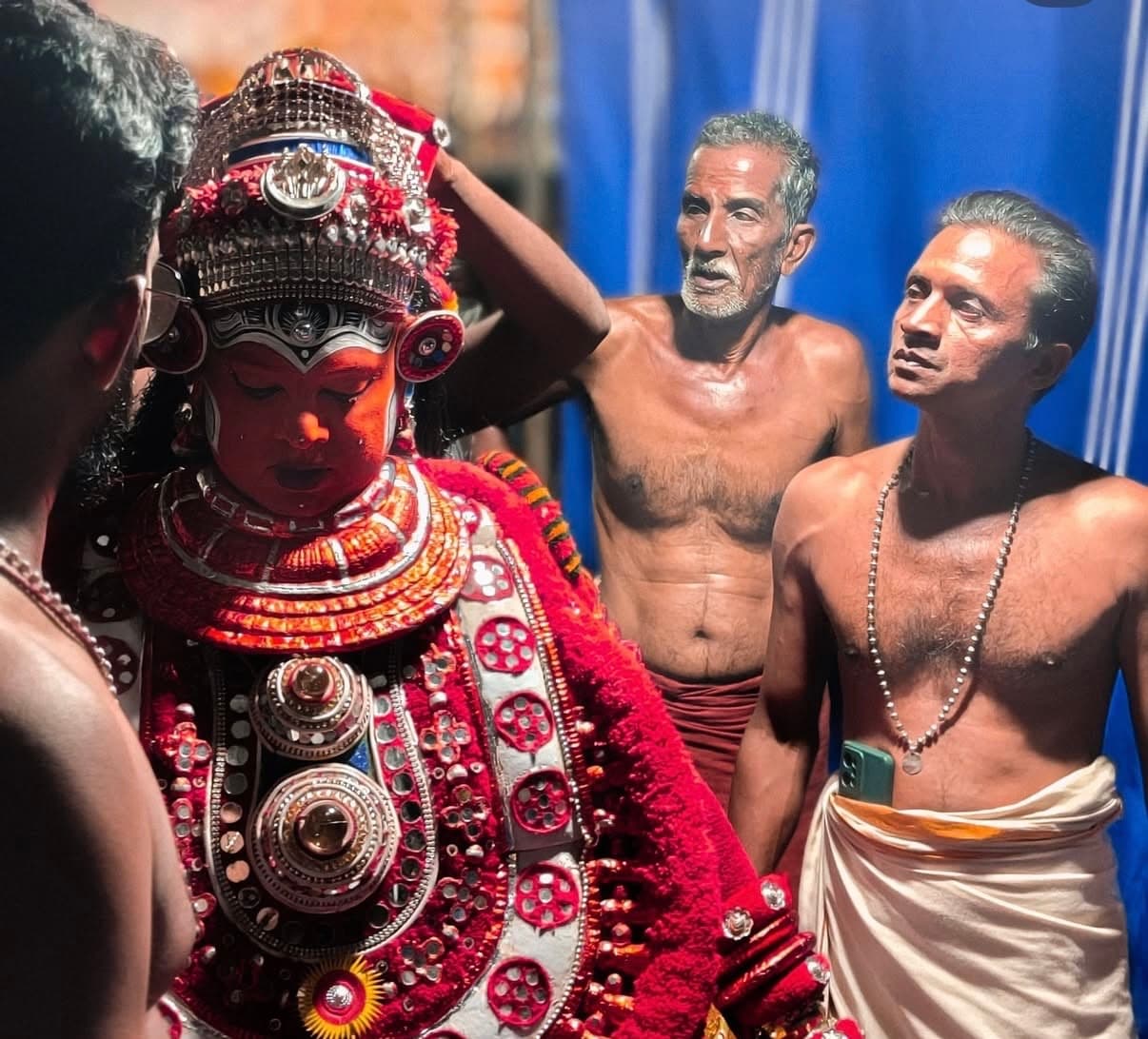
Step beyond the rhythm of everyday life and into spaces where time measures itself differently, not in minutes or hours, but in the cadence of chants and the flicker of lamps. Visiting local temples around Kisah Stays offers a serene immersion into Kerala’s spiritual heartbeat. Here you’ll find temples that have stood for centuries, their walls rich with stories; the air suffused with incense and ancient songs whispered by devotees. Whether it’s the rhythmic beat of chenda drums during festival season or the soft lull of evening aarti, every temple holds a different shade of devotion. These sacred spaces emanate a calm that seeps into your breath and settles in your mind. Participate in age-old rituals, witness the devotion of local families, or simply sit by the temple tank as the world pauses in respectful quiet. This is not just sightseeing, it’s an encounter with the living soul of Kerala.

Nature Journaling
There is a different way to experience the forest, not by rushing through it, but by slowing down enough to notice. A leaf catches the morning light. The call of a distant Malabar Grey Hornbill echoes through the canopy. The bark of an old tree tells a story of seasons long past. Nature journaling invites you to pause and become part of these quiet moments. Guided by a professional nature educator, this immersive experience encourages you to observe the living world with curiosity and intention. Through simple sketching, writing, and mindful observation, you'll discover the remarkable details often overlooked in everyday life. Whether you're an artist, writer, photographer, or simply someone who enjoys being outdoors, no previous experience is required, only an open mind.
Coastal Cycling
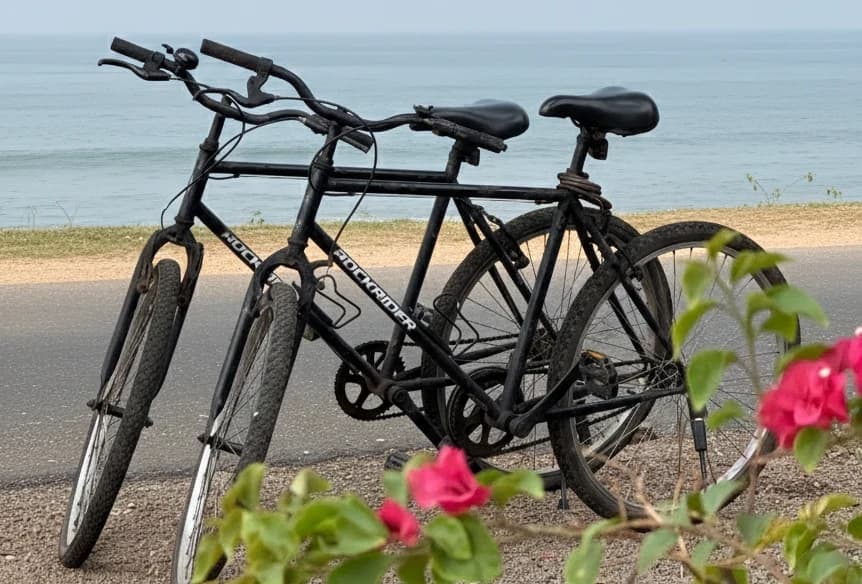
Imagine waking up with the soft whisper of the Arabian Sea brushing against the shore, a gentle symphony that stirs you from sleep. As you step outside, the bicycles await, polished and ready, not merely modes of transport, but invitations to wander. Pedal slowly along Kerala’s coastal ribbon, where the horizon mingles sea and sky in endless blues. The breeze carries stories of coconut palms and salt-touched earth, threading through your hair and beckoning you forward. Each turn reveals a new vignette, fishermen hauling nets, fishermen’s children racing along the sand, and quiet villages where time seems to move at the speed of conversation. Here, cycling isn’t just a ride; it’s a sensorial embrace — sun-warmed paths, crash of distant waves, and the laughter of locals welcoming you with nods and smiles. With each effortless turn of the pedal, comfort and curiosity grow in equal measure, and your journey along Kerala’s coast becomes a story worth telling.

Traditional Kerala Cooking Workshop
This experience is led by our chef. A quiet craftsman of fire, spice, and instinct. He begins not with recipes, but with methods. How coconut oil behaves when heated gently. Why mustard seeds must crackle before anything else touches the pan. How curry leaves release aroma only when they meet flame at the right second. Kerala cooking is technique as much as taste. Slow roasting, careful tempering, patient simmering in clay pots. You will explore the foundation of Kerala cuisine, layering flavours instead of overwhelming them. The sweetness of coconut milk, the warmth of black pepper grown in these hills, the brightness of tamarind, the earthiness of roasted spices. You will see how balance is achieved without measuring spoons. Guided instead by sound, smell, and texture. But this workshop does not end in tradition alone. Our chef encourages you to bring your own style into the pot. Perhaps you add a technique from your hometown. Perhaps you adjust spice levels to your palate. Perhaps you reinterpret a classic dish with a modern touch. The goal is discovery, not imitation. By the end, the kitchen becomes a dialogue between Kerala and you. Ancient methods. Personal expression. Shared table. You don’t just learn how we cook. You learn how flavours travel, adapt, and become your own.
Bird Watching
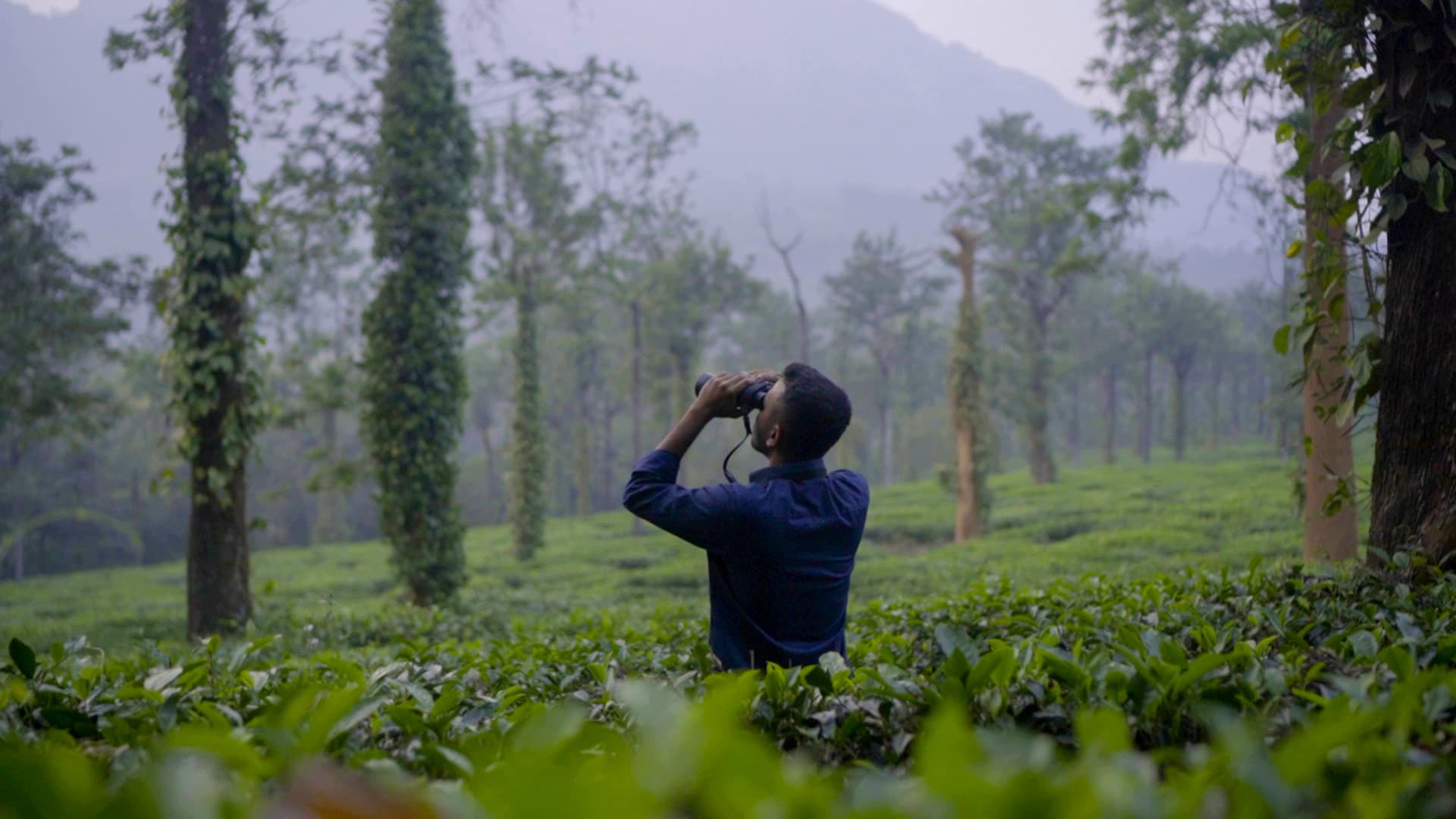
Wayanad’s forests are not merely green. They are layered with movement. The Malabar grey hornbill sweeps across the canopy with the seriousness of an old landlord inspecting his property. The Malabar parakeet flashes a blue-green secret between jackfruit branches. The white-cheeked barbet sits patient and round like a village storyteller who knows every rumour of the forest. Even the Malabar giant squirrel pauses mid-leap, its rust-coloured body suspended like a question mark against the sky. The Western Ghats, where Wayanad rests like a folded shawl, are one of the world’s biodiversity hotspots. More than three hundred species of birds have been recorded in this region across seasons. From December to February, when the air turns crisp and the mornings carry a faint silver, migratory visitors arrive from northern Asia and the Himalayas. The brown shrike perches alert on fence posts. The Indian blue robin keeps low among leaf litter, shy and poetic. The verditer flycatcher appears like a dropped piece of sky among darker leaves. These winter migrants choose Wayanad’s cooler climate and forest edges as their temporary refuge. By March and April the air thickens. Summer presses close. Yet even in heat the estate does not fall silent. The Asian paradise flycatcher arrives like a wandering poet, the male trailing his impossibly long white ribbons through filtered sunlight. Golden orioles melt into mango trees, their calls bright as temple bells. Sunbirds hover and sip at hibiscus blooms, tiny sparks refusing to rest. When monsoon comes to Wayanad, it does not knock. It enters fully. Rain writes its long letter on tiled roofs. During these months, from June to September, the forest grows urgent and intimate. Drongos perform acrobatics in wet air. The Indian pitta, often called the “nine-coloured bird,” appears briefly during migration windows, especially around the onset and retreat of monsoon, hopping across damp ground like a secret made visible. Egrets and pond herons stand still in waterlogged fields beyond the tea slopes, white strokes against green. Dawn bird watching in Wayanad is not an activity one completes. It is something one enters. You step out for a plantation walk and the estate receives you. The tea workers move like quiet constellations among trimmed bushes. Pepper vines climb silver oak trees in slow devotion. Above them, the grey junglefowl calls from hidden undergrowth, a wild echo that feels older than any bungalow. October and November bring a gentler sky. Post-monsoon clarity sharpens every outline. This is often the most rewarding period for bird photography and bird watching tours in Wayanad. Resident species are active. Migrants begin to trickle back. Butterflies share the same airspace. The African tulip tree on the lawn hosts sunbirds and mynas, and occasionally a hornbill rests long enough for you to forget time altogether. There is a particular hour, just after sunrise, when the mist thins but does not disappear. In that hour, if you stand still enough, the estate will show you how many lives are unfolding simultaneously. A barbet chisels the morning. A shrike studies the horizon. A flycatcher darts and returns to the same perch with monk-like discipline. You realise that bird watching in Wayanad is less about spotting rare species and more about learning to be quiet enough to be admitted into their world. Our guests often ask which season is best for bird watching in Wayanad. The truthful answer is that every season has its own temperament. Winter offers migratory jewels and clearer light. Summer reveals vivid breeding plumage and dramatic calls. Monsoon intensifies colours and movement. Post-monsoon balances abundance with calm. The forest does not perform on schedule. It lives.
Sunrise & Sunset Hikes
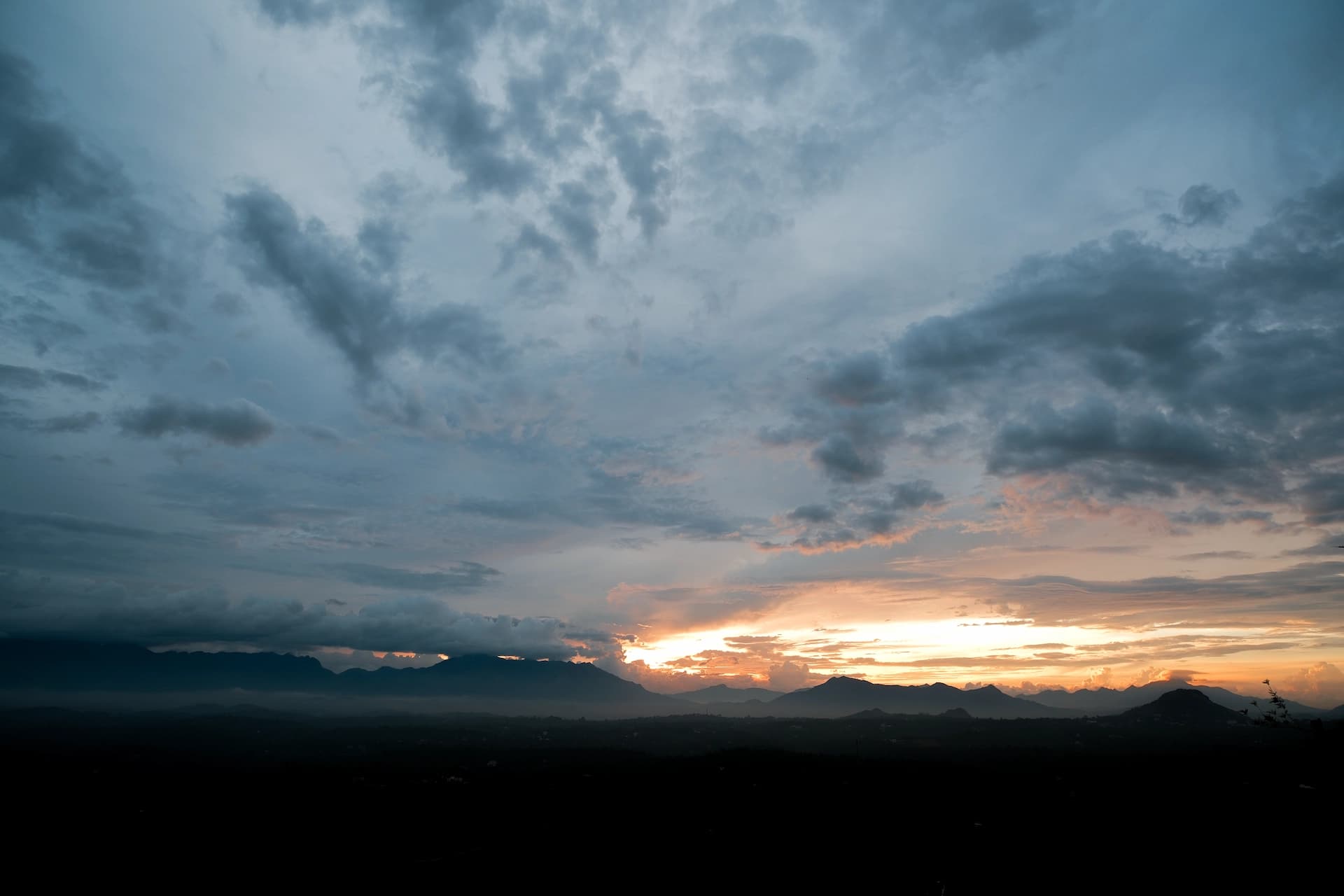
Two Directions, One Mountain. Thovarimala does not demand a long expedition. It offers two small, beautiful walks, each in a different direction, each with its own mood. From the estate, a narrow trail bends eastward. This is the sunrise hike. It is short and gentle, winding past tea bushes and silver oak, sometimes brushing against pepper vines that cling to tree trunks like quiet companions. Early morning mist lingers low over Wayanad’s hills. As you reach the viewpoint near Ezhuthu Para, ancient rock markings watch silently while the sun slowly rises behind layered ridges. The world turns gold in minutes. It is an easy climb, but the feeling at the top is vast. In the opposite direction, another path leads west. Slightly rockier, a little more dramatic. This is the sunset hike. The light here behaves differently, bold, warm, theatrical. The trail catches the evening breeze, and as you ascend, the sky opens wide. The sun sinks behind distant hills, painting the valley in amber and violet. It is not a strenuous trek, just a short upward walk — but it feels like standing on a balcony above the whole of Wayanad. Two directions. Two short hikes. One hill that changes character with the hour. Wake up early and walk east. Slow down in the evening and walk west.
Kappad Beach
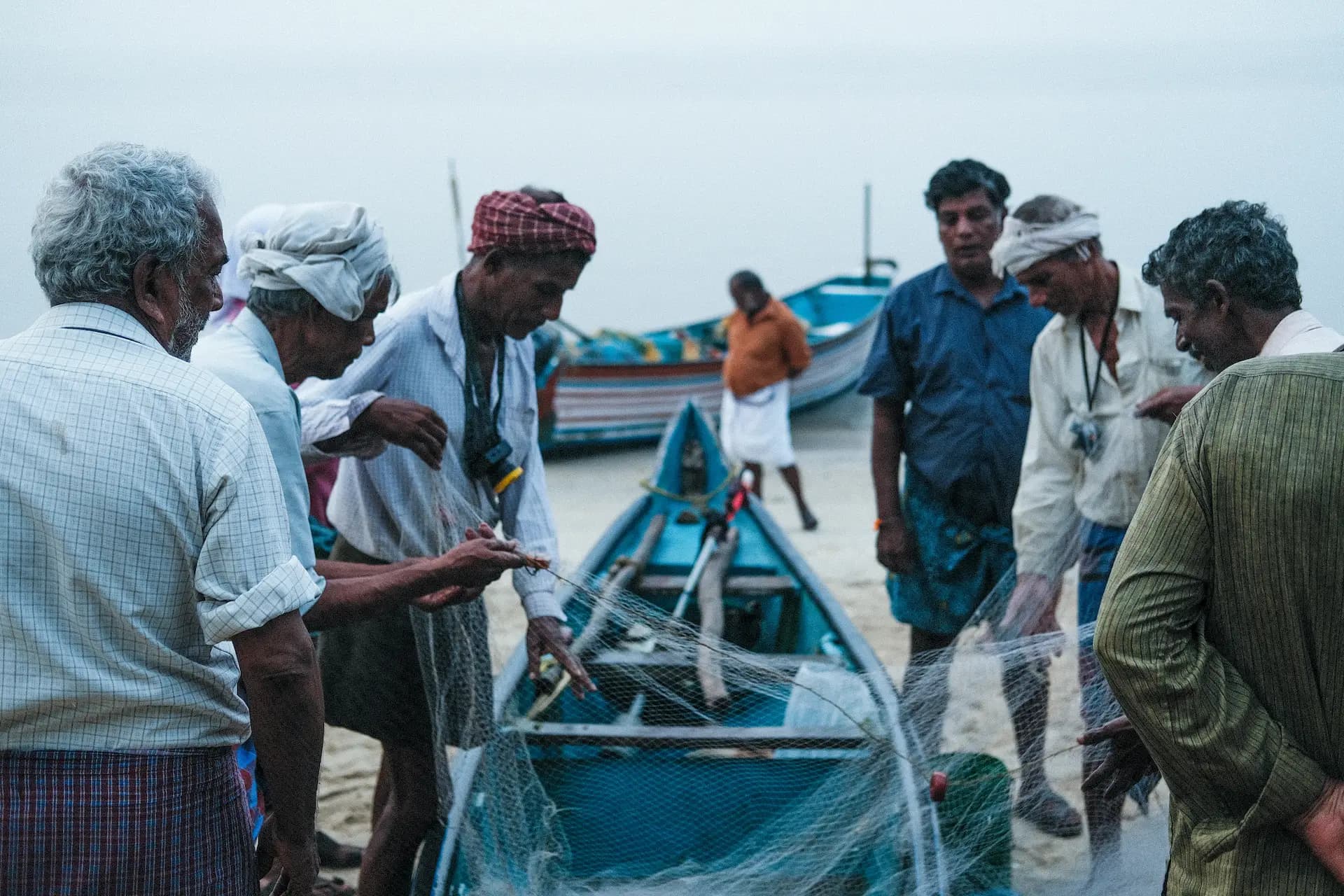
If you go to Kappad Beach very early in the morning, before the tea shops wake up and before the fishermen quarrel with the wind, the sea looks like it is thinking. It is not an ordinary beach. It is a page that has been written on by many hands. The Word That Smells of Earth They say the name tastes like kappa, tapioca boiled soft, eaten with fish curry on heavy monsoon days. Tapioca did not grow here in the beginning. It travelled across oceans much later. But the word settled in Malayalam as if it had always belonged. Like all things here, it came from somewhere else and decided to stay. Kappad is like that. It keeps what arrives. Before the West Found Its Compass Long before Europe discovered ambition, Arab sailors were already conversing with this coast. They arrived with monsoon logic, sail when the wind agrees, wait when it sulks. They traded horses and dates for pepper that burned like a secret on the tongue. They built mosques not as statements, but as whispers beside markets. Faith here arrived with commerce and courtesy. Malayalam listened and borrowed words. The sea listened and borrowed ships. Somewhere in the vastness of water, Chinese fleets also traced these routes. The era of Zheng He had already expanded oceans into highways. Porcelain fragments buried in Malabar soil are proof that even clay travelled far. The fishing nets that still dip into Kerala’s backwaters, Cheena vala, hang like patient poems between sky and tide. The sea was not lonely then. It was busy. The Day History Became Loud And then, in 1498, three foreign ships appeared. Vasco da Gama stepped onto this shore with maps full of hunger. He thought he had discovered India. Imagine that. Discovering a place where people were already arguing about fish prices. The Zamorin of Kozhikode received him with diplomacy, the way this land always received strangers. But strangers sometimes mistake hospitality for weakness. What had been a conversation of traders slowly hardened into the grammar of conquest. Pepper stopped being just spice. It became reason. The Beach That Keeps Quiet If you stand there today, the monument marking da Gama’s landing watches the sea without blinking. Children climb on rocks. Lovers sit facing sunsets. Tourists take photographs and leave footprints that will not survive the evening tide. But beneath the sand are centuries. Arab laughter. Chinese porcelain. Portuguese gunpowder. Malayalam patience. Kappad does not shout its history. It lets the wind narrate it slowly, like an old man who has seen too much to be surprised. And sometimes, when the waves break against the laterite rocks, they sound like pages turning. The sea keeps arriving. The shore keeps accepting. That is its rebellion.
Edakkal Cave Trek
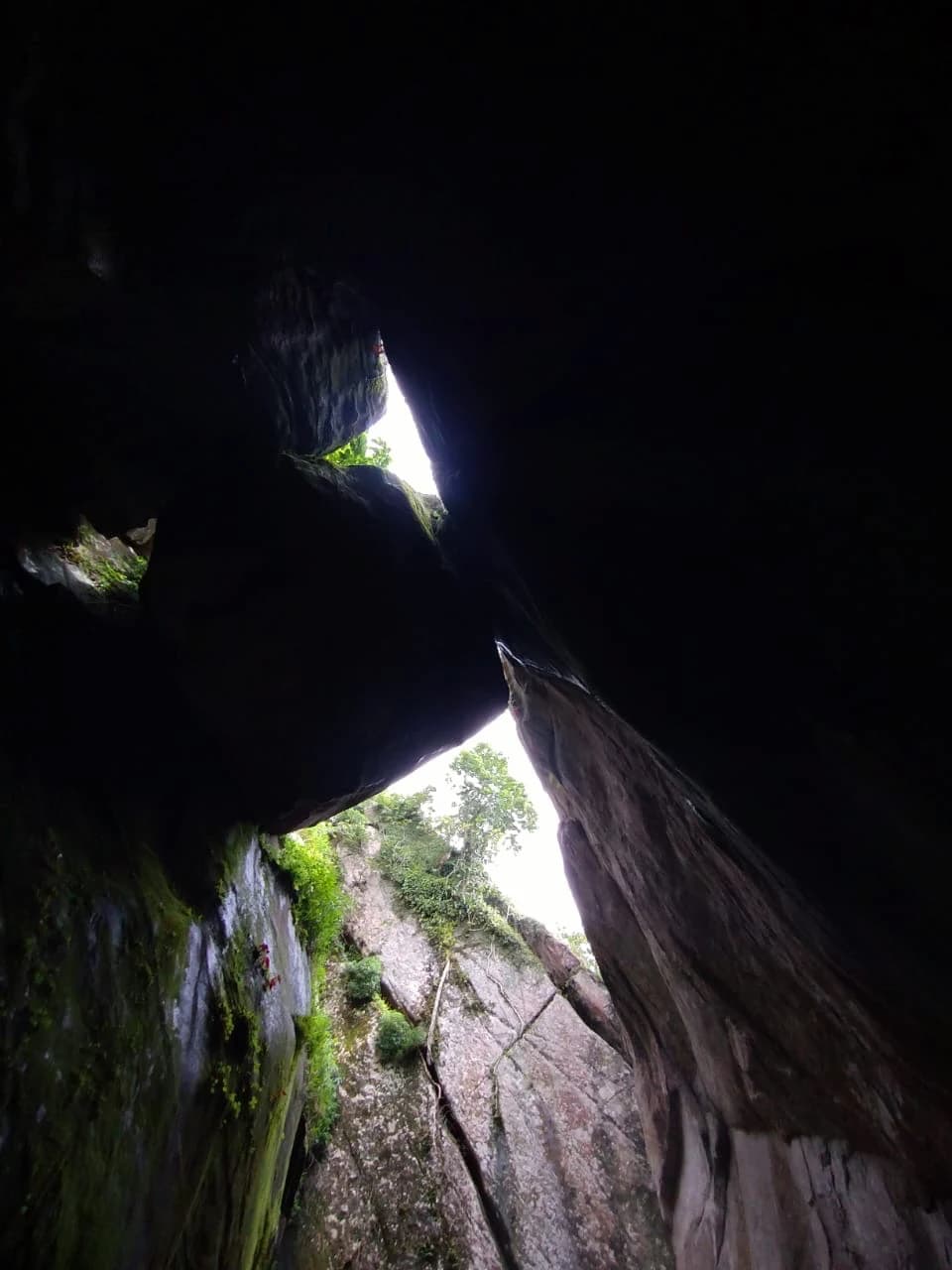
Reaching Edakkal’s storied walls is an adventure in itself. From the parking area, the trek begins through verdant forest paths and aromatic coffee plantations, rising steadily toward the summit of Ambukuthi Hill. The trail stretches roughly 1 to 1.5 km one-way and typically takes around 45–60 minutes at a moderate pace, before a final climb of stone steps brings you to the cave entrance. Along the way, guided treks enhance the experience by sharing insights into the hill’s ecology and the cultural legacy of the site, while from the top, panoramic views of Wayanad’s rolling hills and valleys reward every visitor. This is not merely a walk; it is a journey into deep time, where every footstep leads you closer to the whispers of ancient human imagination and the earliest chapters of our shared history.