Kappad Beach
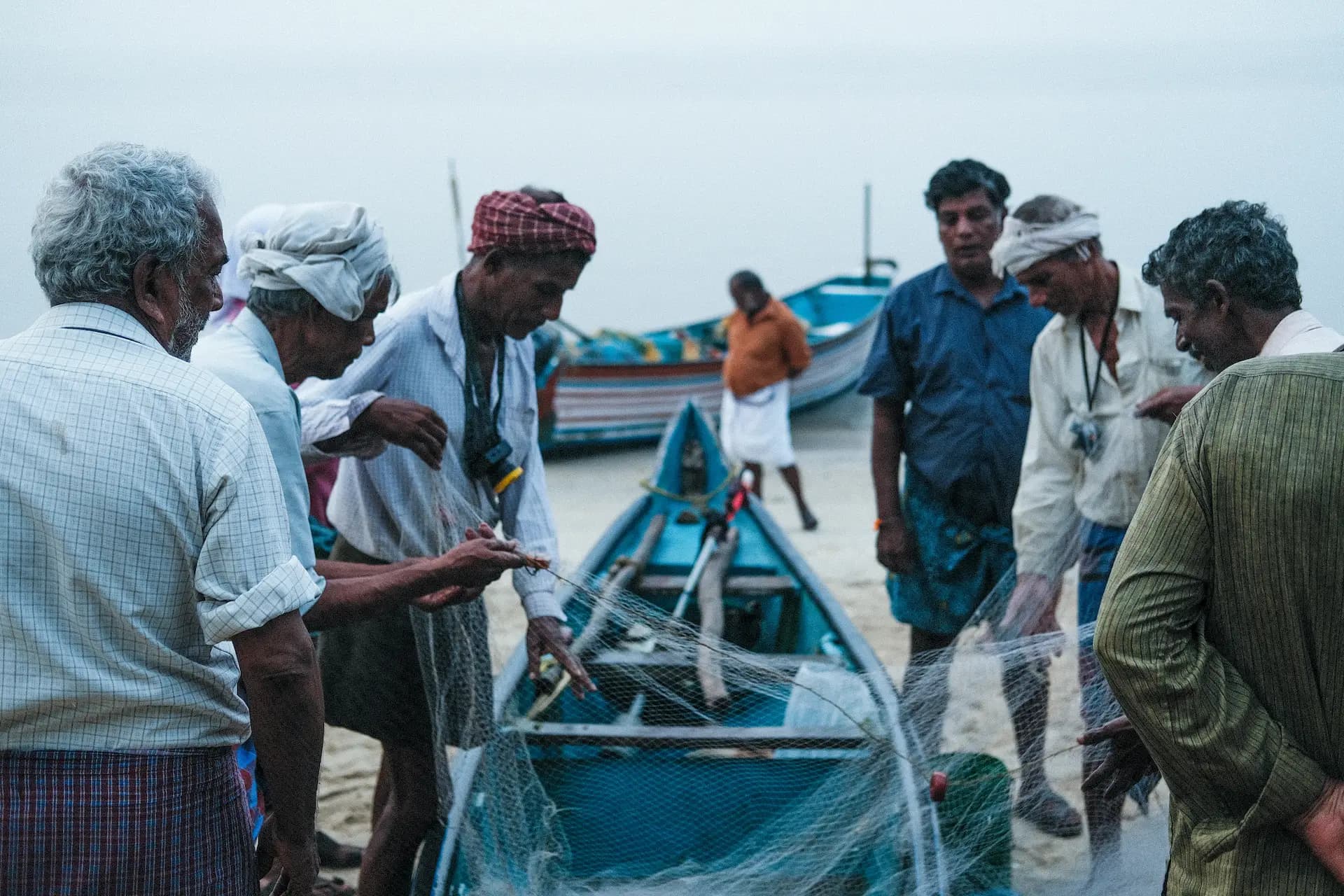
If you go to Kappad Beach very early in the morning, before the tea shops wake up and before the fishermen quarrel with the wind, the sea looks like it is thinking. It is not an ordinary beach. It is a page that has been written on by many hands. The Word That Smells of Earth They say the name tastes like kappa, tapioca boiled soft, eaten with fish curry on heavy monsoon days. Tapioca did not grow here in the beginning. It travelled across oceans much later. But the word settled in Malayalam as if it had always belonged. Like all things here, it came from somewhere else and decided to stay. Kappad is like that. It keeps what arrives. Before the West Found Its Compass Long before Europe discovered ambition, Arab sailors were already conversing with this coast. They arrived with monsoon logic, sail when the wind agrees, wait when it sulks. They traded horses and dates for pepper that burned like a secret on the tongue. They built mosques not as statements, but as whispers beside markets. Faith here arrived with commerce and courtesy. Malayalam listened and borrowed words. The sea listened and borrowed ships. Somewhere in the vastness of water, Chinese fleets also traced these routes. The era of Zheng He had already expanded oceans into highways. Porcelain fragments buried in Malabar soil are proof that even clay travelled far. The fishing nets that still dip into Kerala’s backwaters, Cheena vala, hang like patient poems between sky and tide. The sea was not lonely then. It was busy. The Day History Became Loud And then, in 1498, three foreign ships appeared. Vasco da Gama stepped onto this shore with maps full of hunger. He thought he had discovered India. Imagine that. Discovering a place where people were already arguing about fish prices. The Zamorin of Kozhikode received him with diplomacy, the way this land always received strangers. But strangers sometimes mistake hospitality for weakness. What had been a conversation of traders slowly hardened into the grammar of conquest. Pepper stopped being just spice. It became reason. The Beach That Keeps Quiet If you stand there today, the monument marking da Gama’s landing watches the sea without blinking. Children climb on rocks. Lovers sit facing sunsets. Tourists take photographs and leave footprints that will not survive the evening tide. But beneath the sand are centuries. Arab laughter. Chinese porcelain. Portuguese gunpowder. Malayalam patience. Kappad does not shout its history. It lets the wind narrate it slowly, like an old man who has seen too much to be surprised. And sometimes, when the waves break against the laterite rocks, they sound like pages turning. The sea keeps arriving. The shore keeps accepting. That is its rebellion.
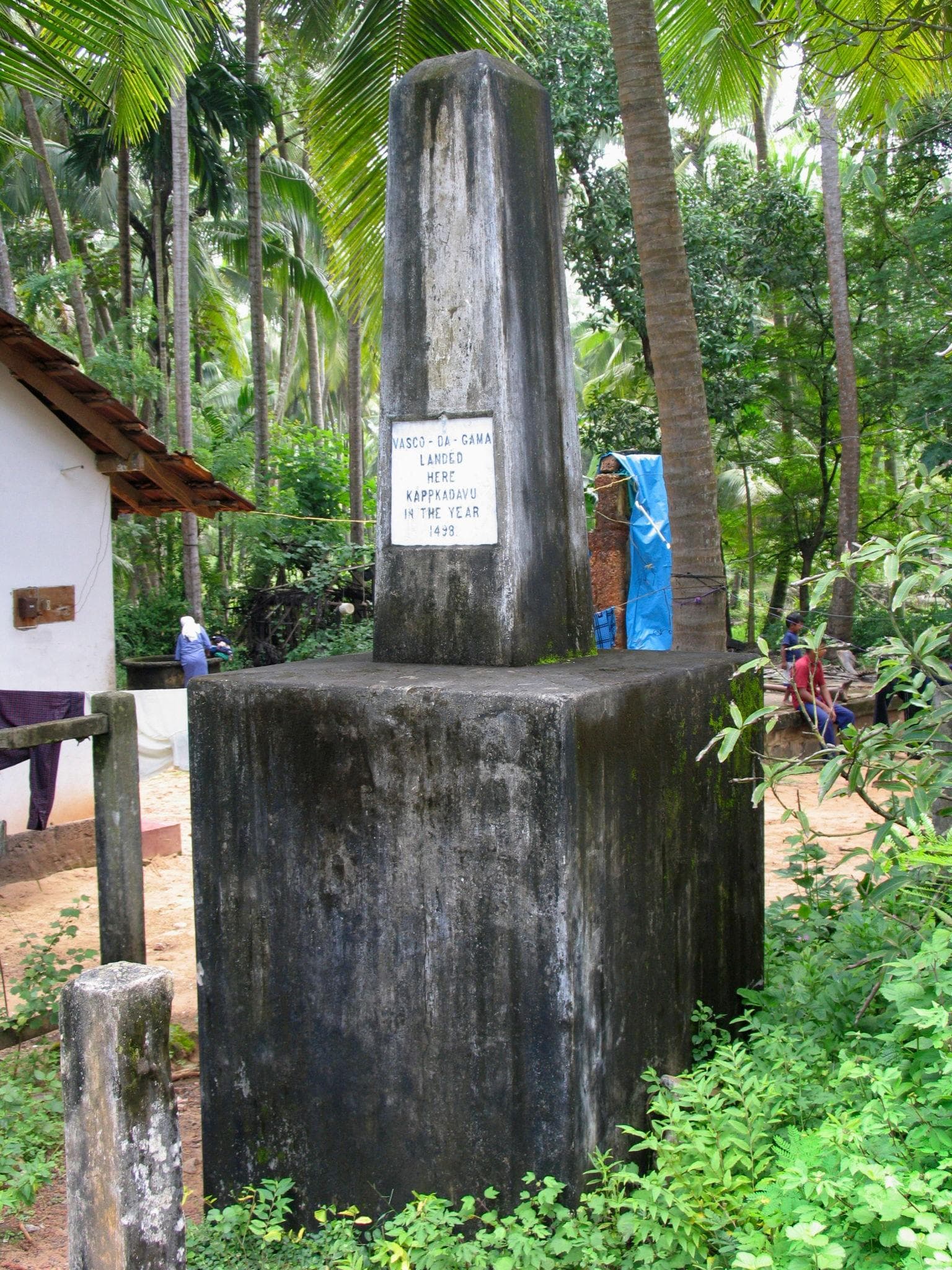
The monument marks the arrival of Vasco da Gama in 1498, the moment when sea routes between Europe and India shifted the course of history. From this shoreline began exchanges of spice and silver, ambition and empire. Pepper from Kerala would scent distant markets. Maps would be redrawn. The world, in some irreversible way, would become smaller.
STAY AT
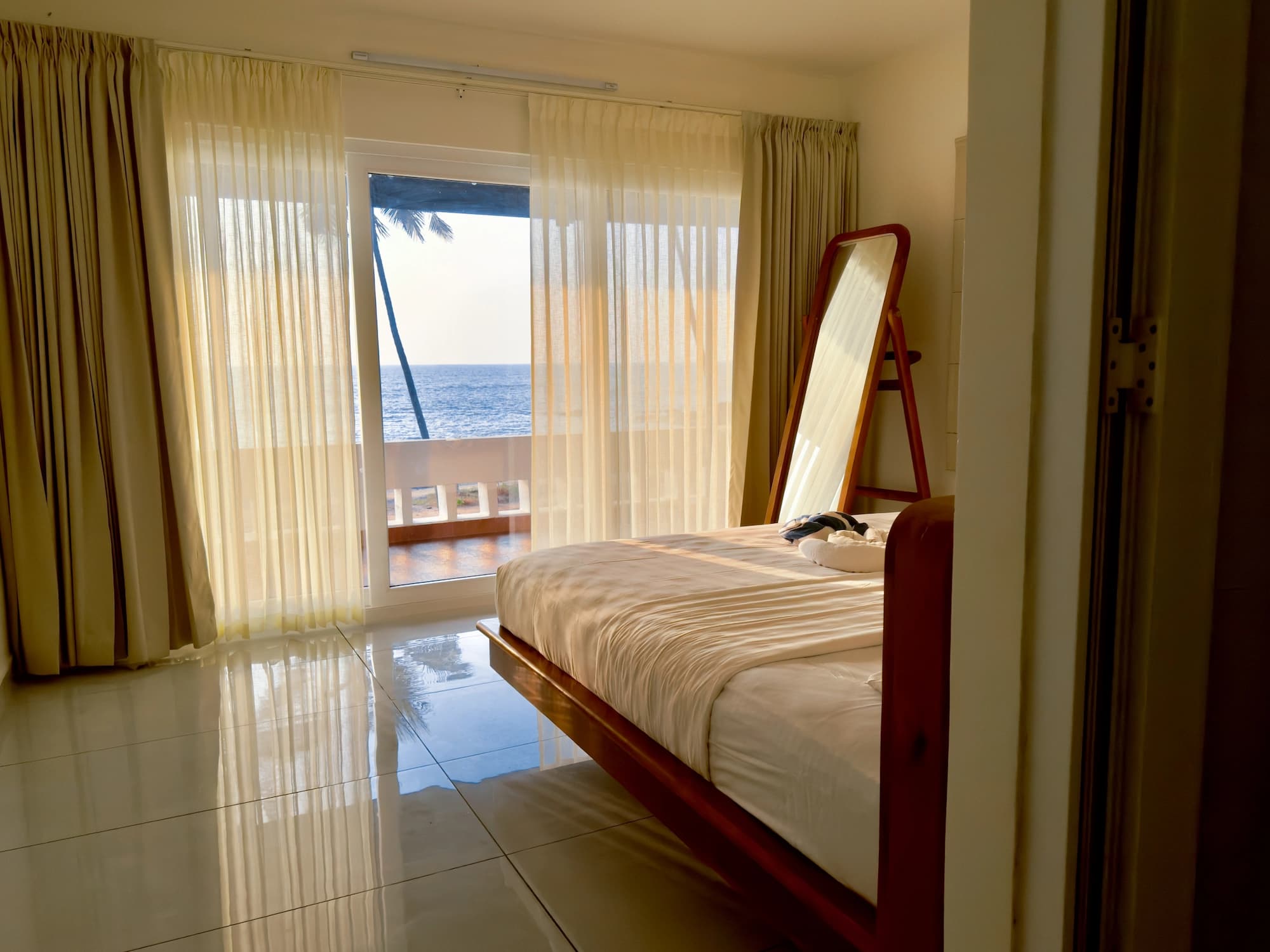
KAPPAD BEACH HOUSE