Bird Watching
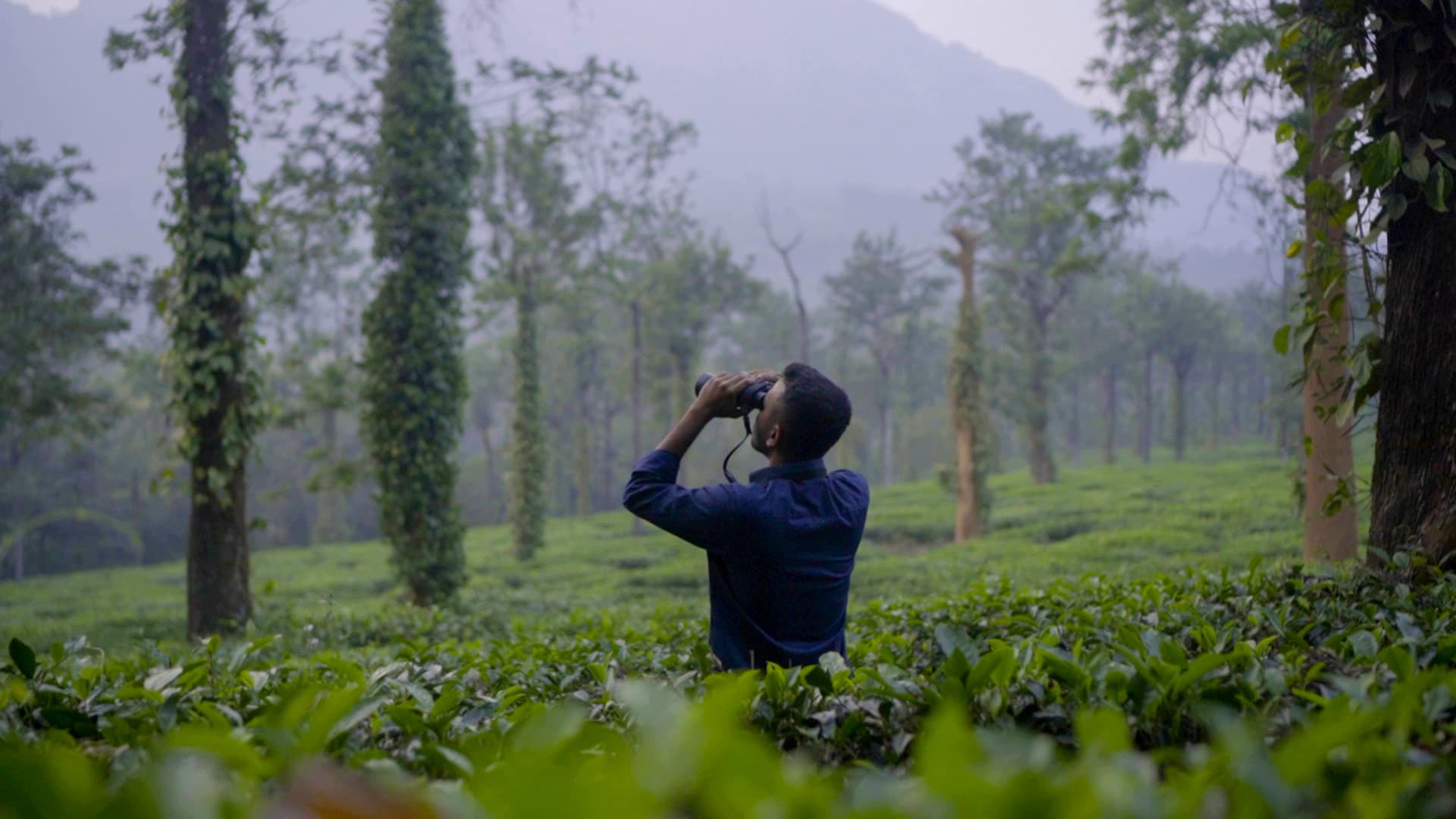
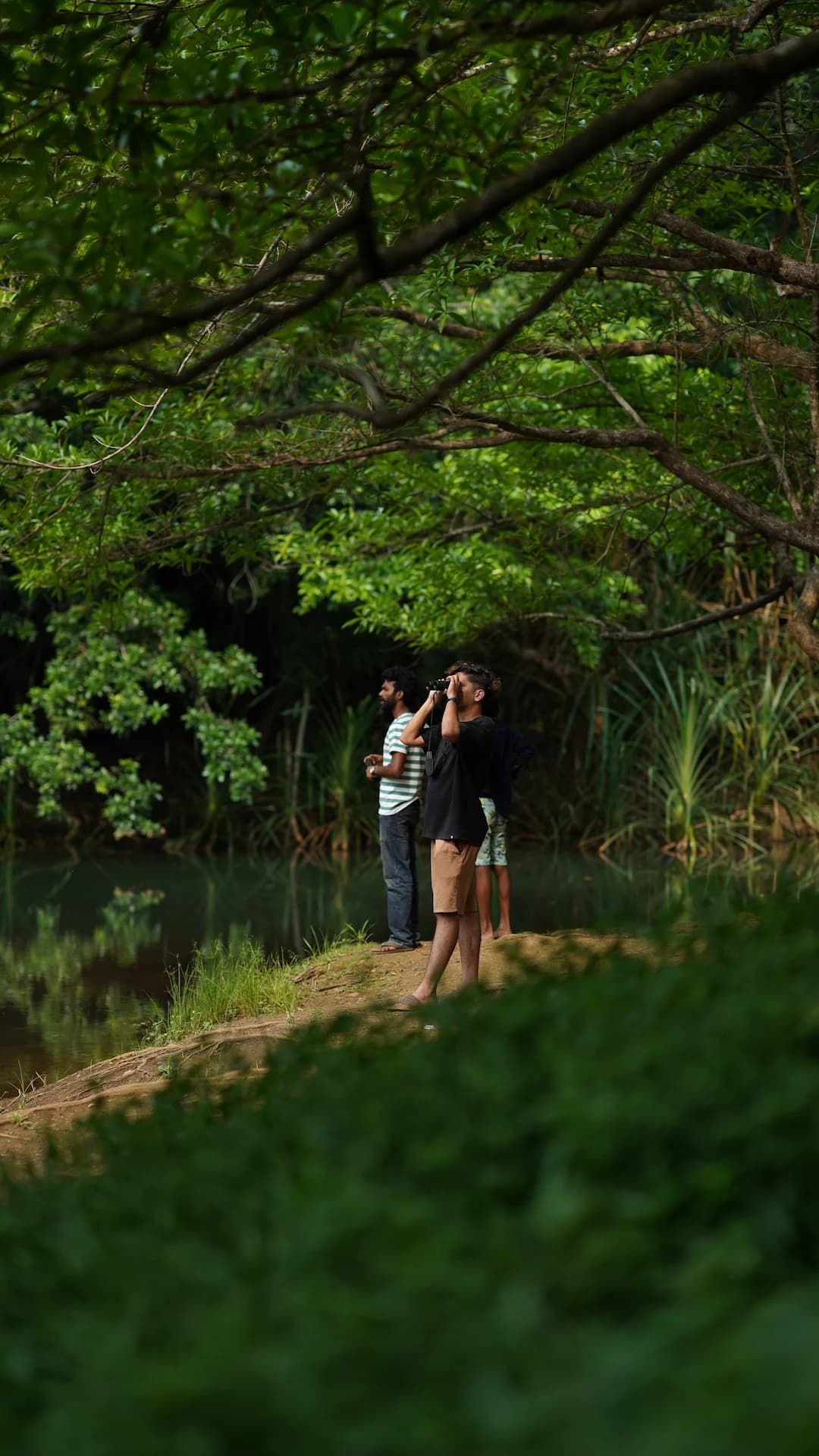
Wayanad’s forests are not merely green. They are layered with movement. The Malabar grey hornbill sweeps across the canopy with the seriousness of an old landlord inspecting his property. The Malabar parakeet flashes a blue-green secret between jackfruit branches. The white-cheeked barbet sits patient and round like a village storyteller who knows every rumour of the forest. Even the Malabar giant squirrel pauses mid-leap, its rust-coloured body suspended like a question mark against the sky. The Western Ghats, where Wayanad rests like a folded shawl, are one of the world’s biodiversity hotspots. More than three hundred species of birds have been recorded in this region across seasons. From December to February, when the air turns crisp and the mornings carry a faint silver, migratory visitors arrive from northern Asia and the Himalayas. The brown shrike perches alert on fence posts. The Indian blue robin keeps low among leaf litter, shy and poetic. The verditer flycatcher appears like a dropped piece of sky among darker leaves. These winter migrants choose Wayanad’s cooler climate and forest edges as their temporary refuge. By March and April the air thickens. Summer presses close. Yet even in heat the estate does not fall silent. The Asian paradise flycatcher arrives like a wandering poet, the male trailing his impossibly long white ribbons through filtered sunlight. Golden orioles melt into mango trees, their calls bright as temple bells. Sunbirds hover and sip at hibiscus blooms, tiny sparks refusing to rest. When monsoon comes to Wayanad, it does not knock. It enters fully. Rain writes its long letter on tiled roofs. During these months, from June to September, the forest grows urgent and intimate. Drongos perform acrobatics in wet air. The Indian pitta, often called the “nine-coloured bird,” appears briefly during migration windows, especially around the onset and retreat of monsoon, hopping across damp ground like a secret made visible. Egrets and pond herons stand still in waterlogged fields beyond the tea slopes, white strokes against green. Dawn bird watching in Wayanad is not an activity one completes. It is something one enters. You step out for a plantation walk and the estate receives you. The tea workers move like quiet constellations among trimmed bushes. Pepper vines climb silver oak trees in slow devotion. Above them, the grey junglefowl calls from hidden undergrowth, a wild echo that feels older than any bungalow. October and November bring a gentler sky. Post-monsoon clarity sharpens every outline. This is often the most rewarding period for bird photography and bird watching tours in Wayanad. Resident species are active. Migrants begin to trickle back. Butterflies share the same airspace. The African tulip tree on the lawn hosts sunbirds and mynas, and occasionally a hornbill rests long enough for you to forget time altogether. There is a particular hour, just after sunrise, when the mist thins but does not disappear. In that hour, if you stand still enough, the estate will show you how many lives are unfolding simultaneously. A barbet chisels the morning. A shrike studies the horizon. A flycatcher darts and returns to the same perch with monk-like discipline. You realise that bird watching in Wayanad is less about spotting rare species and more about learning to be quiet enough to be admitted into their world. Our guests often ask which season is best for bird watching in Wayanad. The truthful answer is that every season has its own temperament. Winter offers migratory jewels and clearer light. Summer reveals vivid breeding plumage and dramatic calls. Monsoon intensifies colours and movement. Post-monsoon balances abundance with calm. The forest does not perform on schedule. It lives. At Kisah Stays, bird watching begins at the veranda and spills into the estate paths that lead towards Ezhuthu Para. No binocular can replace patience. No checklist can replace wonder. Sometimes the rarest sighting is not a new species but the sudden understanding that these hills have been rehearsing this orchestra long before we arrived, and will continue long after we leave. Here, the birds do not merely visit. They belong. And for a brief stay, so do we.
STAY AT
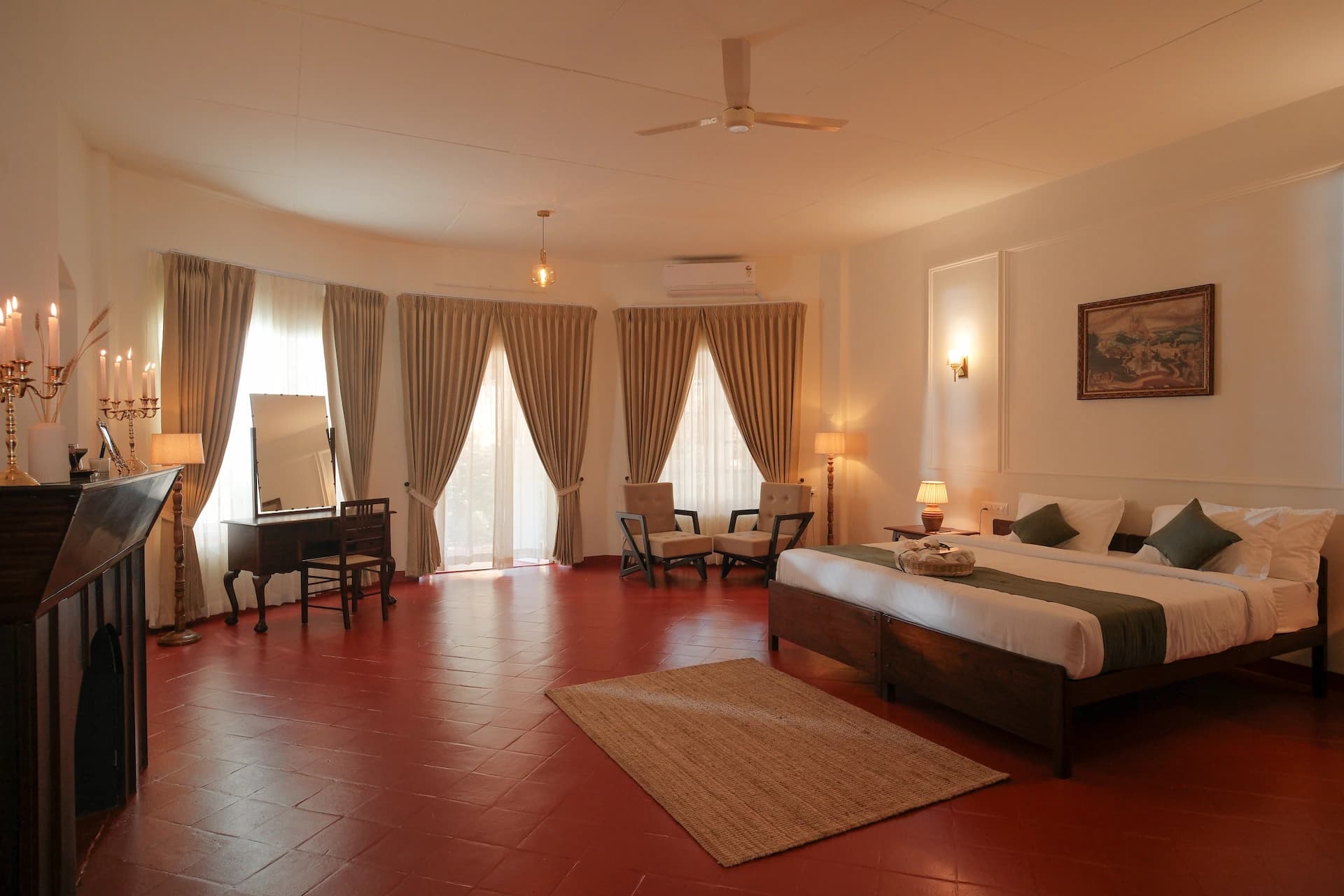
THE HUNDRED HOUSE