 CUISINE
 HISTORY
 JOURNALS
 PEOPLE
 CONSERVATION
The Mosque Before Sabarimala
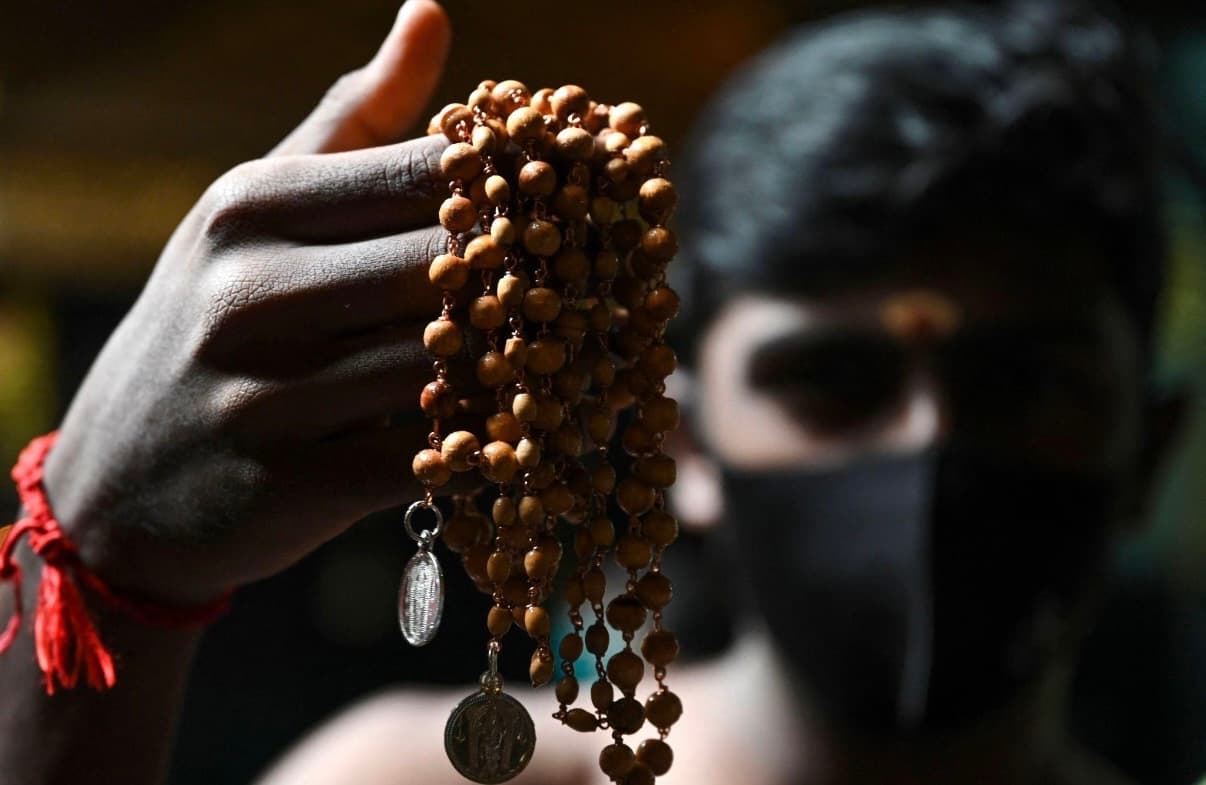
In Kerala, faith does not always walk in straight lines. Sometimes it bends like a river, sometimes it pauses at another doorway before climbing its own mountain. Before many pilgrims begin their final ascent to Sabarimala, they stop at a mosque in Erumeli. They remove their slippers. They step inside. They bow their heads. They whisper a prayer. The mosque is known as Vavar Mosque, or Vavar Palli. It stands quietly in the small town of Erumeli, not far from the forested path that leads toward the shrine of Lord Ayyappa. Here, devotion is not divided by walls. The story is older than argument. Legend says that Vavar was a warrior, sometimes described as an Arab trader, sometimes as a sea-faring fighter, who met Ayyappa in battle. Steel met steel. Pride met pride. And somewhere in the clash, respect was born. Instead of enemies, they became companions. A Muslim warrior standing beside a Hindu deity. Not erased. Not converted. Not absorbed. Simply acknowledged. So when pilgrims dressed in black or blue, carrying their irumudi kettu, begin their sacred journey, many first visit Vavar. They offer prayers at the mosque before proceeding to the temple. They also stop at a small shrine dedicated to Vavar near Sabarimala itself. In this ritual pause, something ancient breathes. During the season, Erumeli transforms. The air fills with chants of Swamiye Saranam Ayyappa. Drums echo through narrow streets. The Pettathullal ritual unfolds in color and sweat, recalling the mythic battle between Ayyappa and Mahishi. Devotees dance, smear colors, and move in waves toward both mosque and temple, as if history itself is walking with them. There are no loud declarations here about harmony. It simply exists. A practice older than modern suspicion. A rhythm repeated each year without press conferences. For centuries, the Western Ghats have watched this quiet choreography. Pepper vines once climbed these hills while Roman ships waited on distant shores. Colonial officers later mapped these forests with ink and ambition. But somewhere between empire and independence, ordinary people kept doing something extraordinary. They continued to greet each other’s sacred spaces without fear. Kerala’s spiritual landscape is layered like its monsoon soil. Temples rise near churches. Mosques stand beside shrines. Faith spills into markets and backwaters and hill paths. At Erumeli, the idea becomes visible. A mosque that is part of a pilgrimage to a Hindu temple. A Muslim name spoken in reverence by Hindu lips. It is not a political statement. It is not a slogan. It is habit shaped by centuries. When pilgrims finally climb the eighteen sacred steps at Sabarimala, the memory of that earlier stop lingers. The journey to the mountain included a doorway with a crescent. The forest path carried more than one story. Perhaps that is Kerala’s quiet gift to the world. Devotion that is confident enough to pause at another threshold. A faith that does not shrink when it meets difference. In Erumeli, before the mountain, there is a mosque. And in that small act of stopping, history softens.