 CUISINE
 HISTORY
 JOURNALS
 PEOPLE
 CONSERVATION
Why Did the World Become So Plain
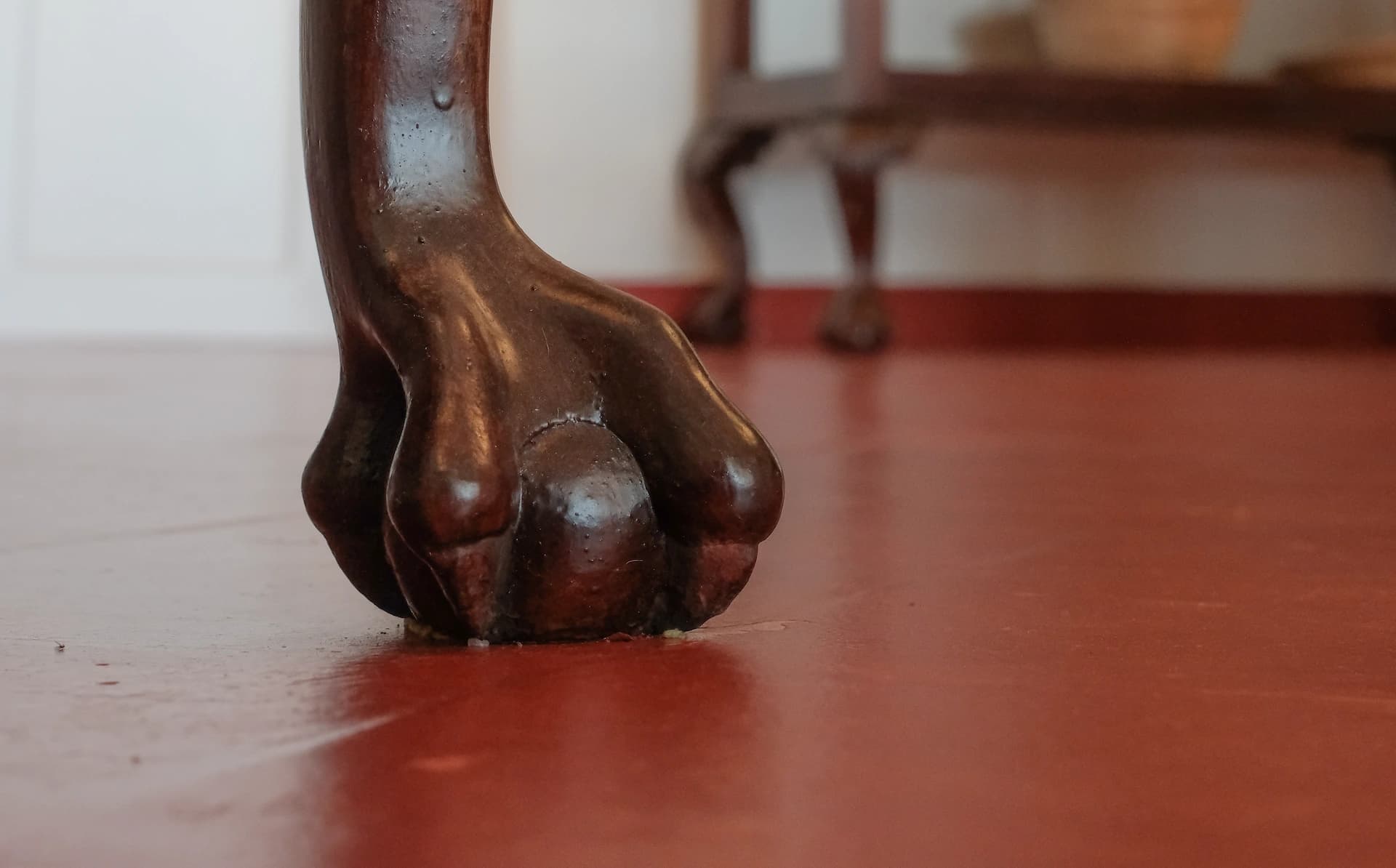
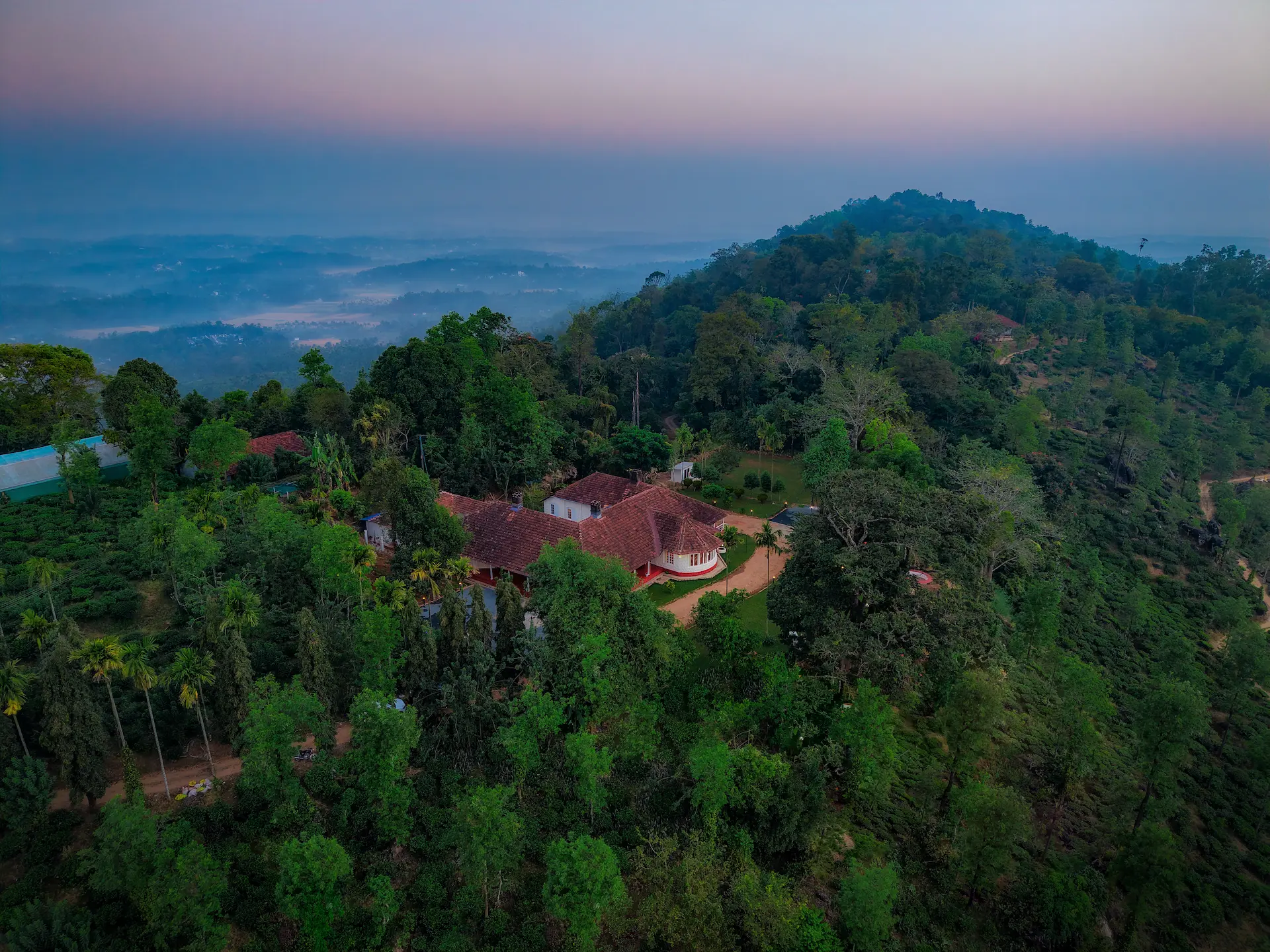
There was a time when even a lamp post had dignity. Walk through parts of the London and you will see cast iron lamp posts shaped with intention. Not just poles, but objects of civic pride. Churches across the United Kingdom carry carved stone faces that no one notices anymore. In France, cathedral facades rise with sculpted saints and gargoyles that required decades of labour. In Germany, timber framed houses lean with geometric discipline. In Canada and Australia, older civic buildings carry brickwork patterns and public detailing rarely seen in new construction. Even in the vastness of the former Soviet Union, bus stops were built like small sculptures, experimental, whimsical, almost defiant in design. Somewhere along the way, functionality defeated poetry. Concrete became faster. Steel became cheaper. Glass became universal. Design began answering only to cost, not character. We call it efficiency. But sometimes it feels like amnesia. And yet, when you stand inside a Kerala naalukettu, something else emerges. Nalukettu is not only a house type. It is climate intelligence. Sloping tiled roofs to soften monsoon rain. Inner courtyards to pull light and air into the heart of the home. Wooden beams carved not because they needed to be carved, but because someone believed even structure deserved beauty. Chinese architectural influence travelled through trade routes long before globalisation became a word. Curved rooflines, layered eaves, timber joinery traditions, the idea that wood could bend without breaking. Kerala absorbed ideas the way it absorbed spice routes. You see echoes of that in certain ornamental brackets and roof forms. You see European influence too. The plantation bungalow, like the one at The Hundred House by Kisah Stays, carries British proportions, wide verandahs, fireplaces designed for cooler hill climates, bridges built with colonial engineering logic across rivers and valleys. Architecture here is not pure. It is layered. But what is disappearing is not influence. It is detail. Look closely at old furniture. The leg of a table carved like a tiger gripping a sphere. Chair arms shaped like animal claws. Not machine stamped. Hand chiselled. Slight asymmetry. You can see where the artisan paused. Where the wood resisted. Where patience lived. Those pieces will not be made again in the same way. Not because we cannot. But because we do not allow the time. Labour has become expensive. Patience is unprofitable. Ornament is labelled unnecessary. The world did not become ugly overnight. It became hurried. When everything is optimised for scale, uniqueness feels inefficient. When buildings are investments before they are spaces, detail is trimmed. When furniture is assembled, not carved, the tiger disappears and a metal screw replaces him. But ugliness is not permanent. It is a phase of forgetting. Beauty returns wherever someone slows down enough to care. In old bridges, in carved rafters, in Soviet bus stops shaped like flying wings, in French stone tracery, in British lamp posts, in Kerala wooden brackets darkened by monsoon seasons, in a table leg shaped like a tiger holding a ball. Details are not decoration. They are memory. And memory is what keeps the world from becoming plain.